 Bridal hair & makeup
1900s Wedding Glamour: Trends That Come Full Circle
The early 1900s marked a period of transformation, elegance and unforgettable bridal styles that have influenced weddings for decades. From elaborate wedding gowns to the understated makeup and intricately styled hair, b...
The early 1900s marked a period of transformation, elegance and unforgettable bridal styles that have influenced weddings for decades. From elaborate wedding gowns to the understated makeup and intricately styled hair, brides of the time prepared for their big day with as much devotion as we do today—although the methods and tools they used were quite different. Let’s dive into the fascinating world of beauty standards for weddings in the early 1900s and how some of the most famous women of the era inspired these iconic looks.
Beauty Standards: A Symbol of Grace and Purity 💄
In the 1900s, beauty was synonymous with modesty, delicacy and an ethereal, untouched quality. Brides aimed to appear graceful, natural and pure. Their makeup routines were subtle, as the idea of heavy cosmetics was associated with performers rather than respectable women. However, the challenge for every bride was to achieve that flawless, glowing complexion without appearing overly made-up.
Face Makeup: Achieving a Flawless, Porcelain Complexion 🌸
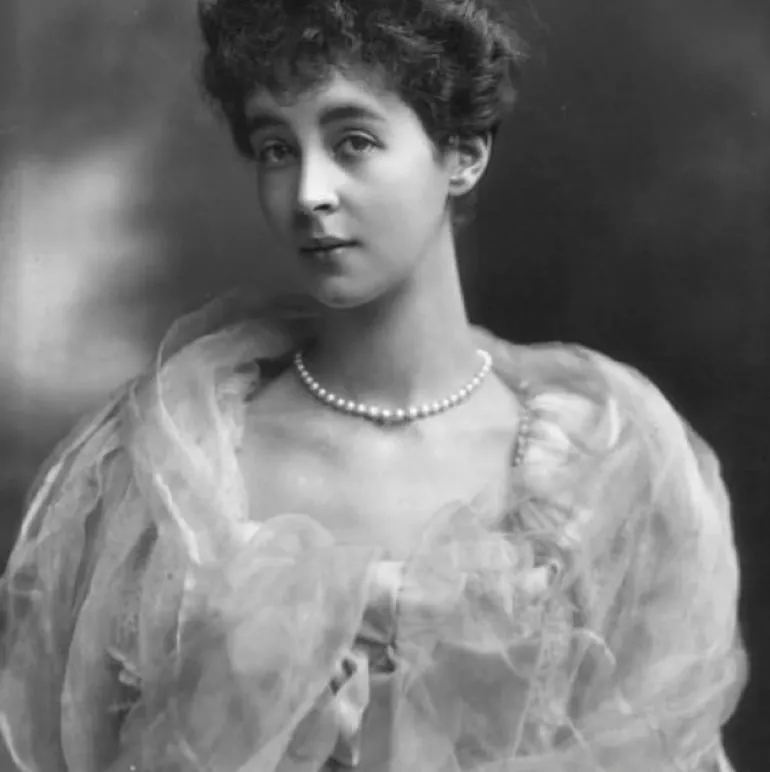
During the early 20th century, pale, porcelain-like skin was the hallmark of aristocracy and beauty. A tanned complexion was linked to outdoor labor, so women, especially brides, went to great lengths to maintain a pale, matte appearance. Since modern foundations didn’t exist, brides used face powders made from rice starch, chalk, or even the highly dangerous lead-based powders to achieve their desired look. Thankfully, lead-based products eventually faded out, but not before many women risked their health in the name of beauty.
An excellent example of this beauty trend was Consuelo Vanderbilt, a famed American socialite who married the Duke of Marlborough in 1895. Her wedding and the photos that followed showcased her pale, flawless skin, which became an aspirational look for brides throughout the following decades. Her ethereal glow, with a hint of blush, set the trend for many young women of her time.
For a natural flush, “rouge” (blush) was lightly dabbed onto the cheeks, often using homemade mixtures of crushed berries or beetroot. This was applied with a soft puff or fingertips, blending gently to create the illusion of naturally rosy skin.
Brows and Eyes: A Soft and Natural Approach 👁️
Eyebrows were carefully groomed, but the dramatic, bold brows of today were far from the standard in the 1900s. Brides preferred a more natural shape, with tweezers used only to tidy up stray hairs, ensuring a soft, elegant arch. Overly thin or darkened brows were associated with stage performers, so subtlety was key.
As for eye makeup, most brides kept it simple, if they used any at all. Kohl eyeliner, which was popular among actresses like Sarah Bernhardt, was rarely used by brides, who preferred a softer look. Occasionally, a light wash of natural-toned shadow—made from materials like ash or crushed flowers—was used to add some depth to the eyelids, but nothing too dramatic.
Lashes were subtly enhanced with a touch of vaseline or a homemade mixture of charcoal and oils to create a darkening effect. This was the closest thing to mascara at the time and helped make the eyes appear slightly more defined without drawing too much attention.

Lips: A Softly Stained Pout 💋
While bold red lips became popular later in the 20th century, brides of the early 1900s embraced soft, natural shades of pink and peach. The idea was to highlight one’s natural beauty rather than drawing attention with vibrant colors. Brides used lip stains made from crushed berries, beetroot, or other natural pigments to give their lips a subtle wash of color. These homemade remedies were applied with the fingertips or a cloth, creating a soft, demure pout.
Queen Alexandra, wife of Edward VII, became a style icon in the late 19th and early 20th centuries, often seen with softly tinted lips. Her subtle yet elegant approach to beauty influenced many brides who admired her youthful and sophisticated appearance.
Bridal Gowns: Royal Inspiration and Craftsmanship 👗✨
By the early 1900s, white had become the standard color for wedding dresses, a tradition established by Queen Victoria decades earlier when she wed in a white gown in 1840. The white dress symbolized purity and innocence, and by the turn of the century, brides of all social standings adopted this color for their big day.
Gowns: High Necks, Long Sleeves, and Elaborate Details 💎
Wedding dresses of the time were works of art, often made from luxurious materials such as silk, satin, and lace. Brides wore high-necked, long-sleeved gowns that emphasized modesty, with intricate lace details, beadwork, and embroidery adding elegance. The bodices were fitted, with corsets underneath to cinch the waist, while the skirts flowed out in a grand, voluminous style.
The wedding of Alice Roosevelt, daughter of President Theodore Roosevelt, in 1906 set trends in bridal fashion. Her gown was a luxurious masterpiece made of brocade and lace, with a dramatic train and veil that left guests in awe. Alice’s bold fashion choices, paired with her societal influence, helped shape bridal fashion for years to come.
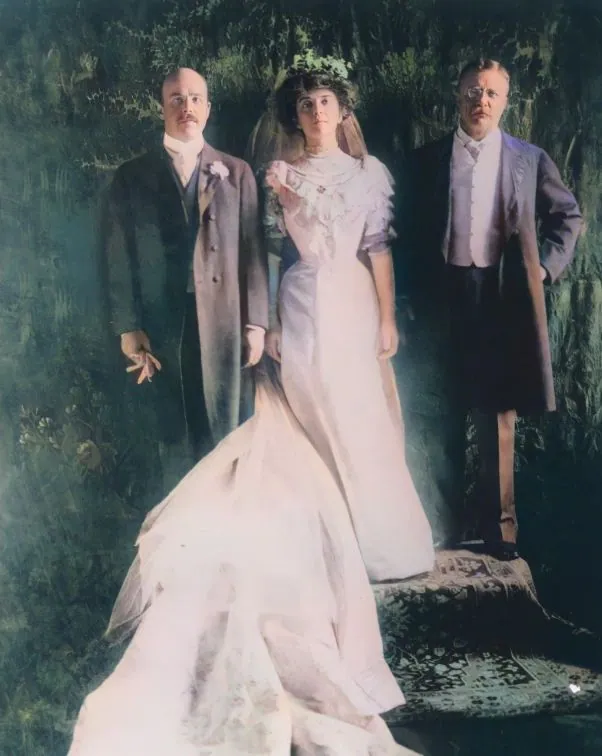
Veils were a must, often long and heavy, made of tulle or lace, and decorated with pearls, flowers, or delicate embroidery. These veils symbolized the bride’s modesty and were traditionally worn to cover the face until the vows were exchanged.
Hairstyles: Elegance in Length and Volume 💇♀️
When it came to bridal hairstyles, long hair was seen as a symbol of femininity and beauty in the early 1900s. Brides with long hair often styled it into elaborate updos or chignons, typically placed at the nape of the neck or higher, depending on personal style and the occasion. These styles were adorned with hairpins, flowers, or tiaras to complete the bridal look.
The Art of the Updo: Coiled Elegance and Accessories 🌀
The coiled bun, or chignon, was the quintessential bridal hairstyle of the time. Women would meticulously pin their hair into intricate loops and twists, often with the help of family or a lady’s maid. To add a bit of sparkle, hairpieces with pearls or small gemstones were used, and fresh flowers were a popular accessory for more romantic and nature-inspired looks.
Short hair was not in fashion for brides of this era, as long locks were associated with youth and beauty. However, for those who desired a polished look, hair extensions were available to add volume and length.
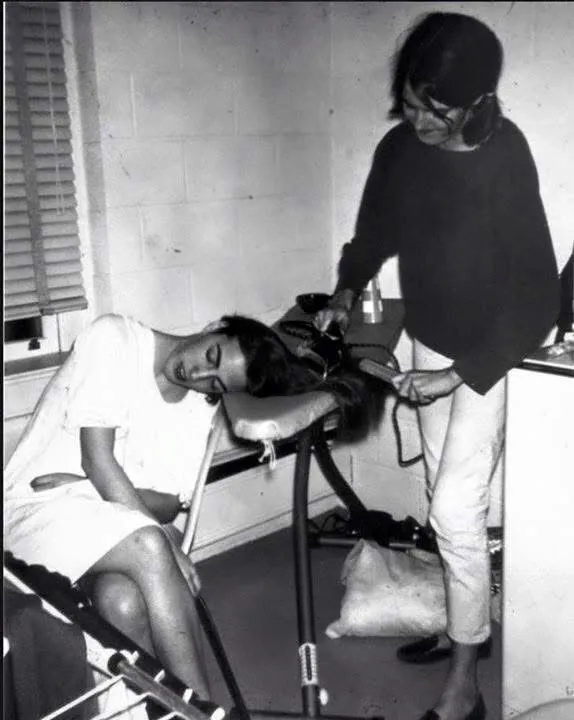
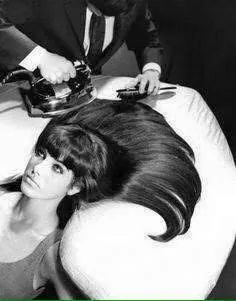
For smoothing out waves or curls, brides turned to some rather unorthodox methods. Flat irons, often used for clothes, doubled as hair-straightening tools. This risky method, which involved running a heated iron along the length of the hair, was reserved for the brave—and for those willing to risk singeing their strands!
Curls: Romantic Waves and Ringlets 💁♀️
Curls were also a popular choice for brides wanting a more romantic, youthful look. Heated curling irons were placed over open flames and used to create soft ringlets or waves. These curls would then be set with homemade pomades or oils to keep them in place throughout the day.
Love is Timeless, and Fashion Always Comes Back 💕🎉
As we look back at the glamorous brides of the 1900s, it's clear that some beauty trends have stood the test of time. From the coiled buns to the soft lips and the flawless complexions, brides today still draw inspiration from the past.
And while some methods, like using a clothing iron to straighten hair, might seem extreme (or downright dangerous!), we can laugh at the idea that fashion always comes full circle. Who knows—maybe one day we'll see a Dyson straightening iron marketed for brides! (Okay, maybe not—but we can dream! 😄)
One thing that never goes out of style, though, is the love between two people. Whether you're walking down the aisle in a modern gown or taking a page from the timeless brides of the past, remember that your wedding day is about celebrating love—and that is truly eternal.
Fashion may change, but love? It never grows old. 💖
❖ https://vo-evolution.com/home